
Community Nutrition Education Grant Proposal
Project Overview
Logo for the community initiative
This grant proposal was developed to support the implementation of a community-based nutrition education initiative designed to improve access to culturally relevant health education and chronic disease prevention resources. Grounded in public health theory and evidence-based practice, the proposal outlines a sustainable program that combines nutrition education, healthy cooking demonstrations, and community engagement to empower individuals and families to make informed lifestyle choices.
The proposal emphasizes health equity, prevention, and community partnership by addressing barriers to nutrition education while leveraging existing community organizations to increase access and long-term impact.
Project Goals
This project aimed to:
Develop a comprehensive grant proposal to support a community nutrition education program.
Design an evidence-based intervention focused on chronic disease prevention and healthy lifestyle behaviors.
Integrate behavioral and public health frameworks into program planning.
Establish measurable objectives, evaluation strategies, and sustainability plans.
Create a funding proposal that demonstrates community need, program feasibility, and long-term impact.
Key Deliverables
Grant Proposal
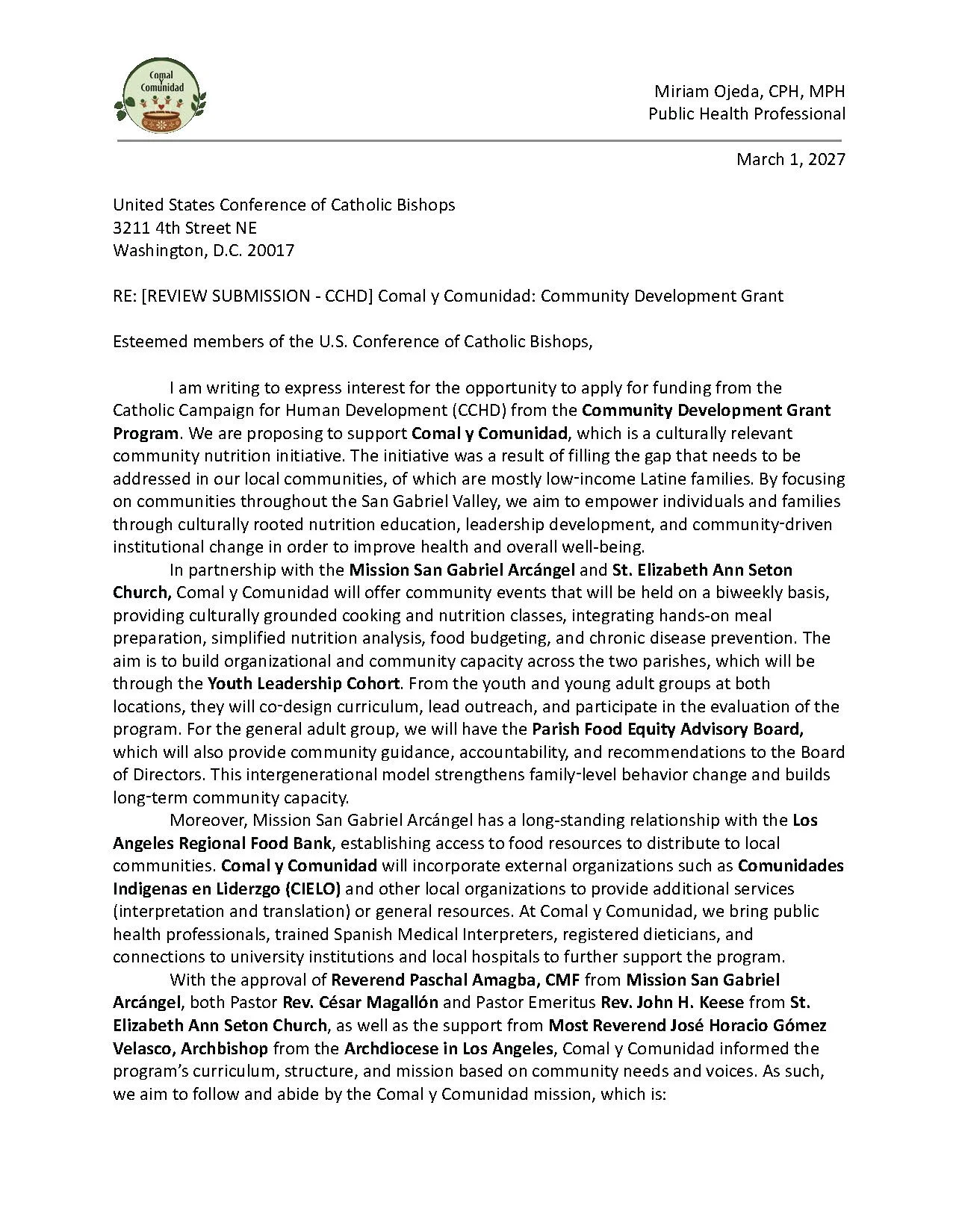
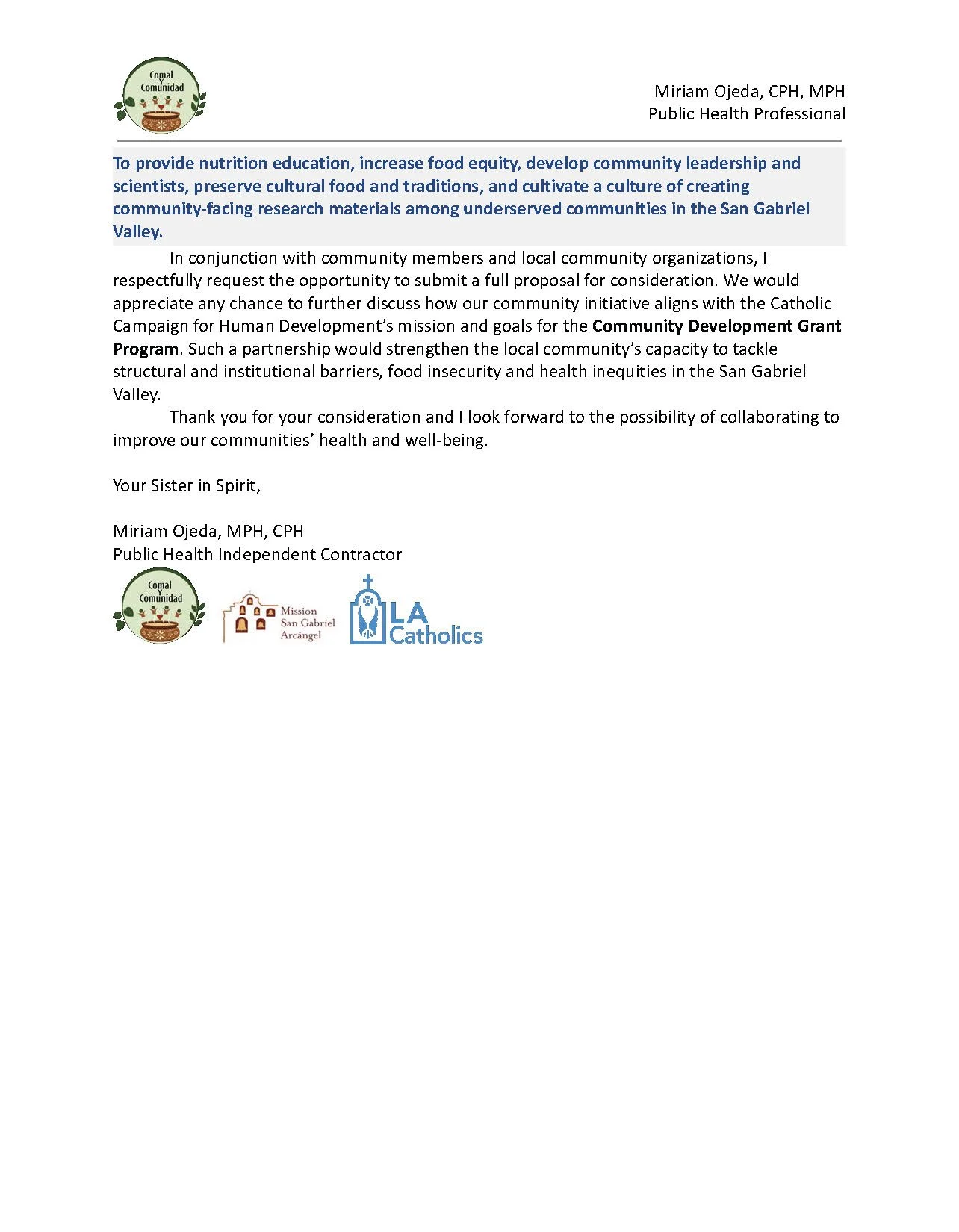
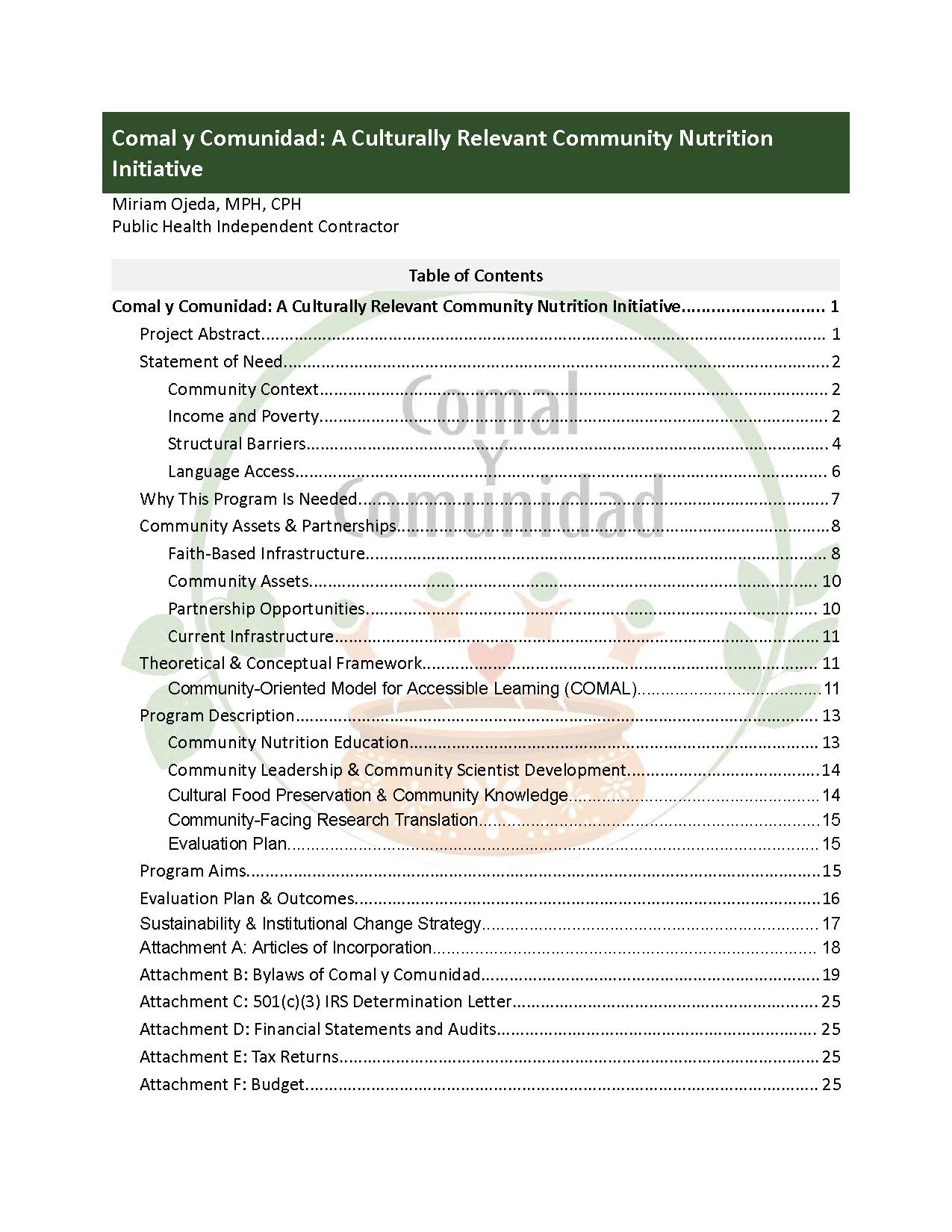
Prepared a comprehensive proposal describing the community need, program design, implementation strategy, evaluation plan, budget justification, and sustainability approach to support funding for a community nutrition education initiative.
Literature Review
Conducted a comprehensive review of current evidence to inform program design, justify proposed interventions, and ensure alignment with best practices in nutrition education, chronic disease prevention, and community health.
Program Design
Designed a community-based intervention that combines nutrition education, cooking demonstrations, health promotion, and community engagement to improve nutrition knowledge and support healthier lifestyle behaviors among participants.
Evaluation Plan
Created an evaluation framework with measurable objectives, outcome indicators, data collection methods, and continuous quality improvement strategies to assess program effectiveness and inform future program development.
Sustainability Strategy
Developed a sustainability plan outlining opportunities for community partnerships, organizational capacity building, future funding, and institutional integration to support long-term program success beyond the initial grant period.
Non-Profit Documentation
Prepared a comprehensive collection of grant-supporting organizational documents that demonstrated organizational readiness and program capacity. Materials included proposed bylaws, draft articles of incorporation, a budget narrative, governance and planning documents, and partnership resources developed to support the proposed nonprofit's implementation and long-term sustainability.
Health Communication Campaign
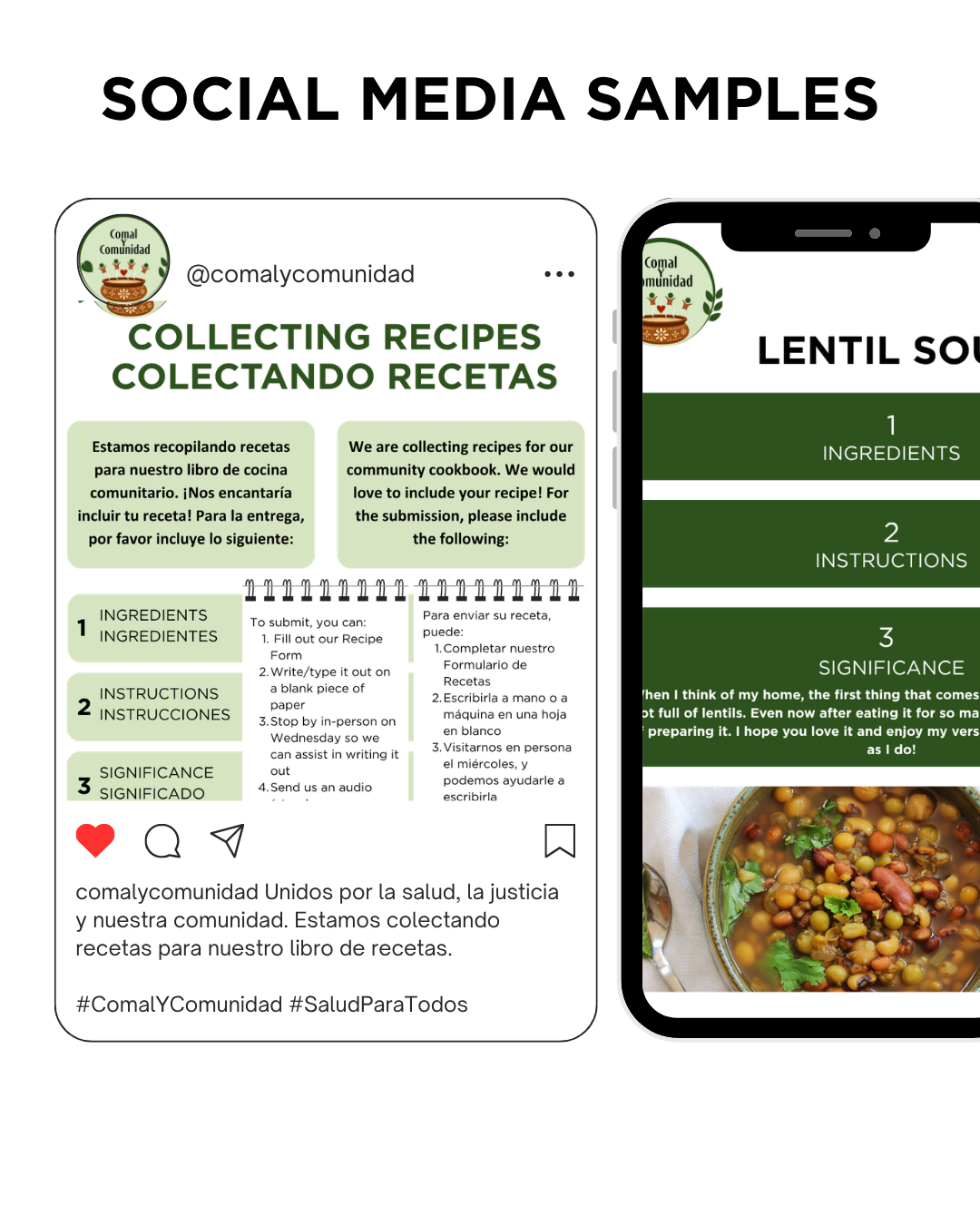
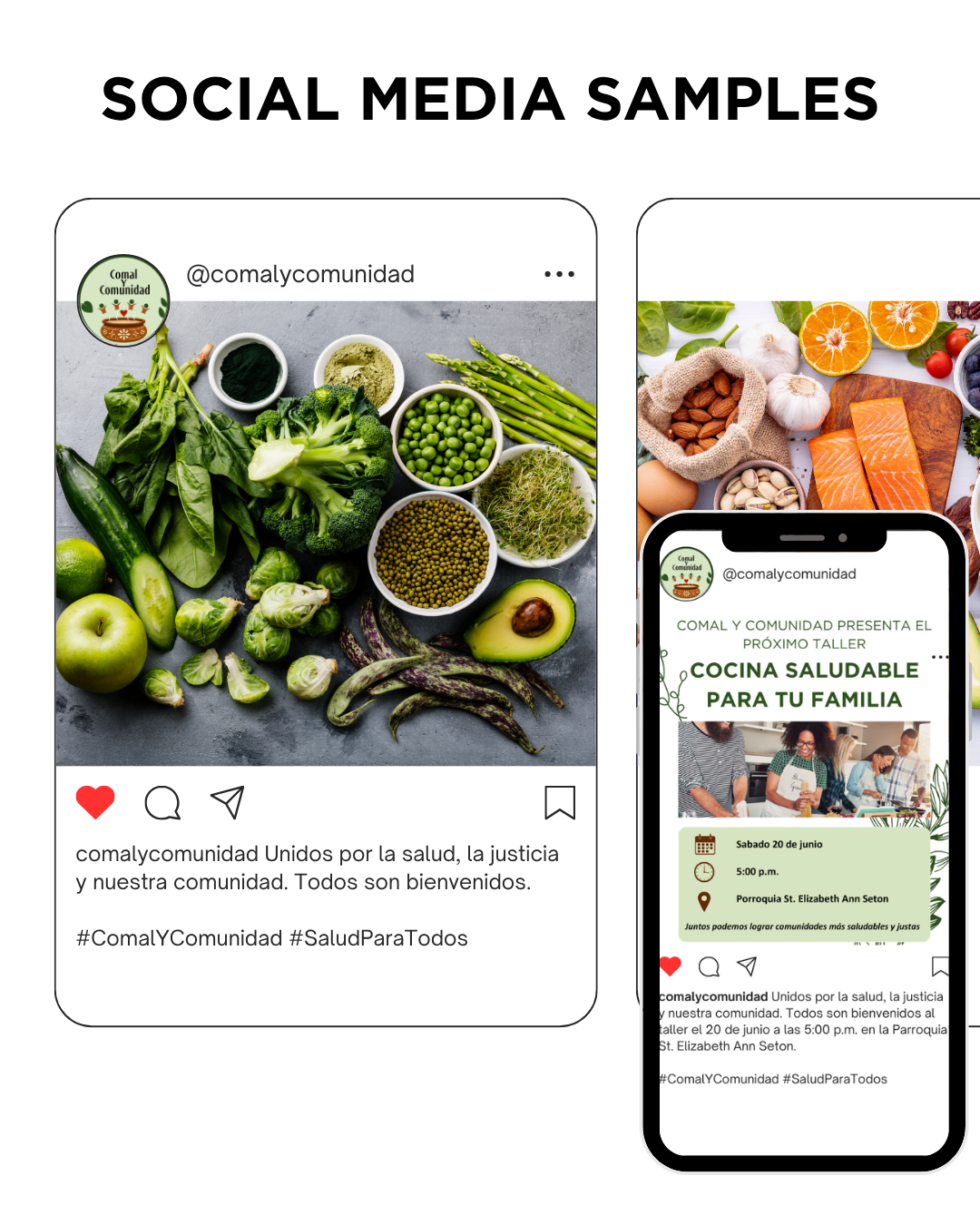
Designed a social media strategy to increase community awareness, promote program activities, and encourage participation through culturally relevant, evidence-based messaging. Developed graphics and campaign content for platforms such as Instagram and Facebook to extend the program's reach beyond in-person engagement.
Grant Proposal Layout
Community Need
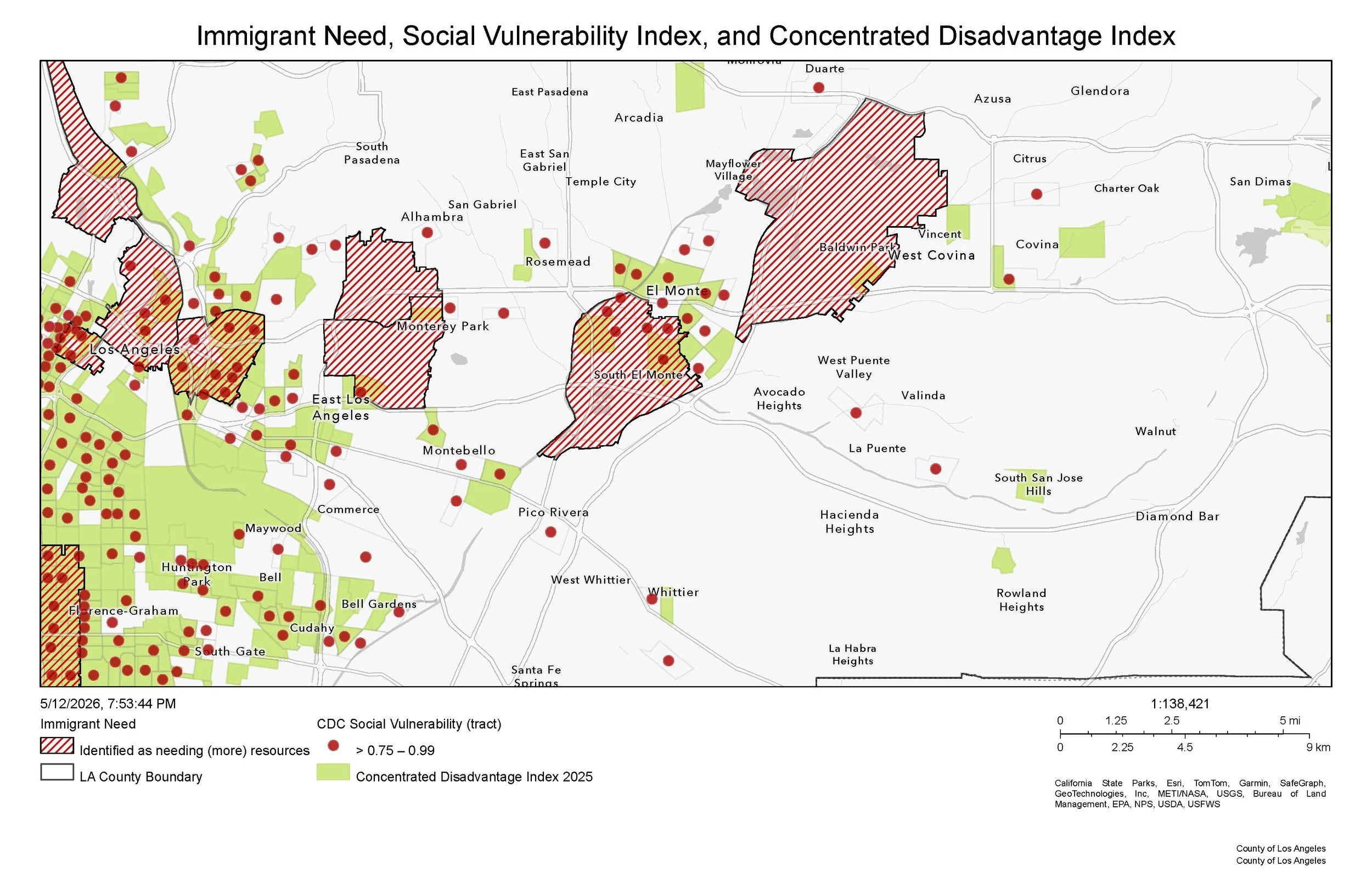
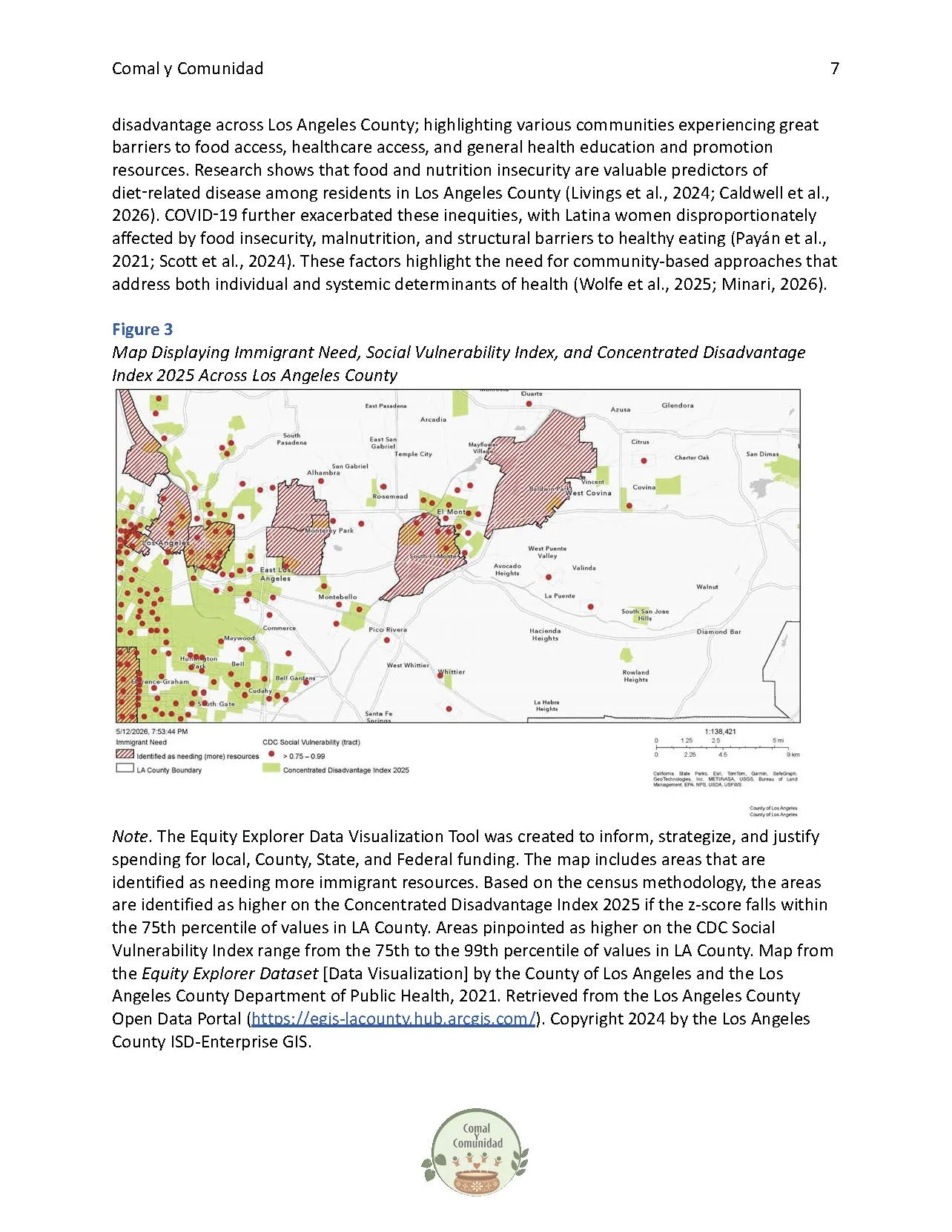
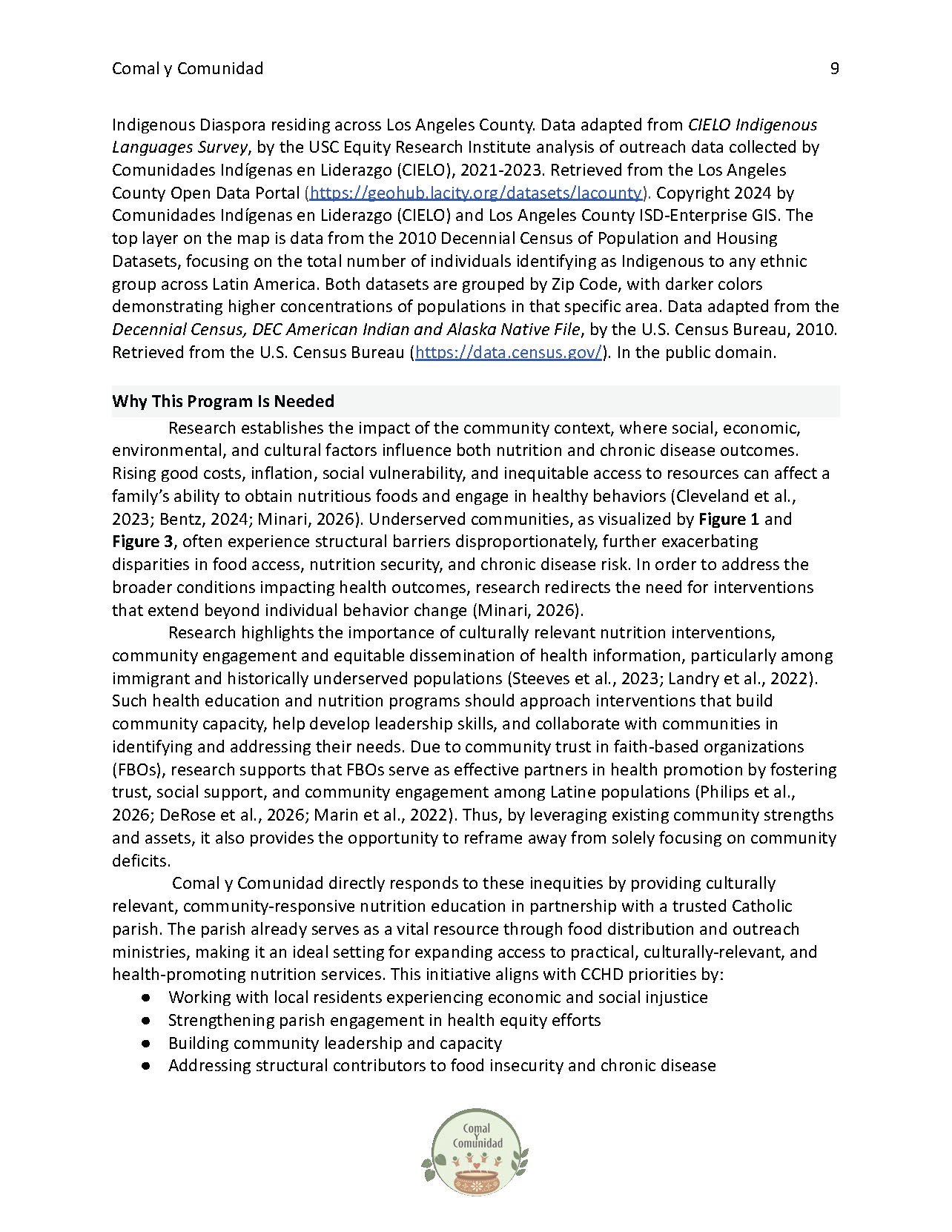
The Equity Explorer Data Visualization Tool was created to inform, strategize, and justify spending for local, County, State, and Federal funding. The map includes areas that are identified as needing more immigrant resources. Based on the census methodology, the areas are identified as higher on the Concentrated Disadvantage Index 2025 if the z-score falls within the 75th percentile of values in LA County. Areas pinpointed as higher on the CDC Social Vulnerability Index range from the 75th to the 99th percentile of values in LA County. Map from the Equity Explorer Dataset [Data Visualization] by the County of Los Angeles and the Los Angeles County Department of Public Health, 2021. Retrieved from the Los Angeles County Open Data Portal (https://egis-lacounty.hub.arcgis.com/). Copyright 2024 by the Los Angeles County ISD-Enterprise GIS.
Chronic diseases remain a leading cause of illness and death.
Many community members experience limited access to culturally relevant nutrition education.
Health literacy barriers make nutrition recommendations difficult to understand and apply.
Community organizations provide trusted spaces for delivering health education.
Existing resources are not always available in plain language or reflect diverse cultural food traditions.
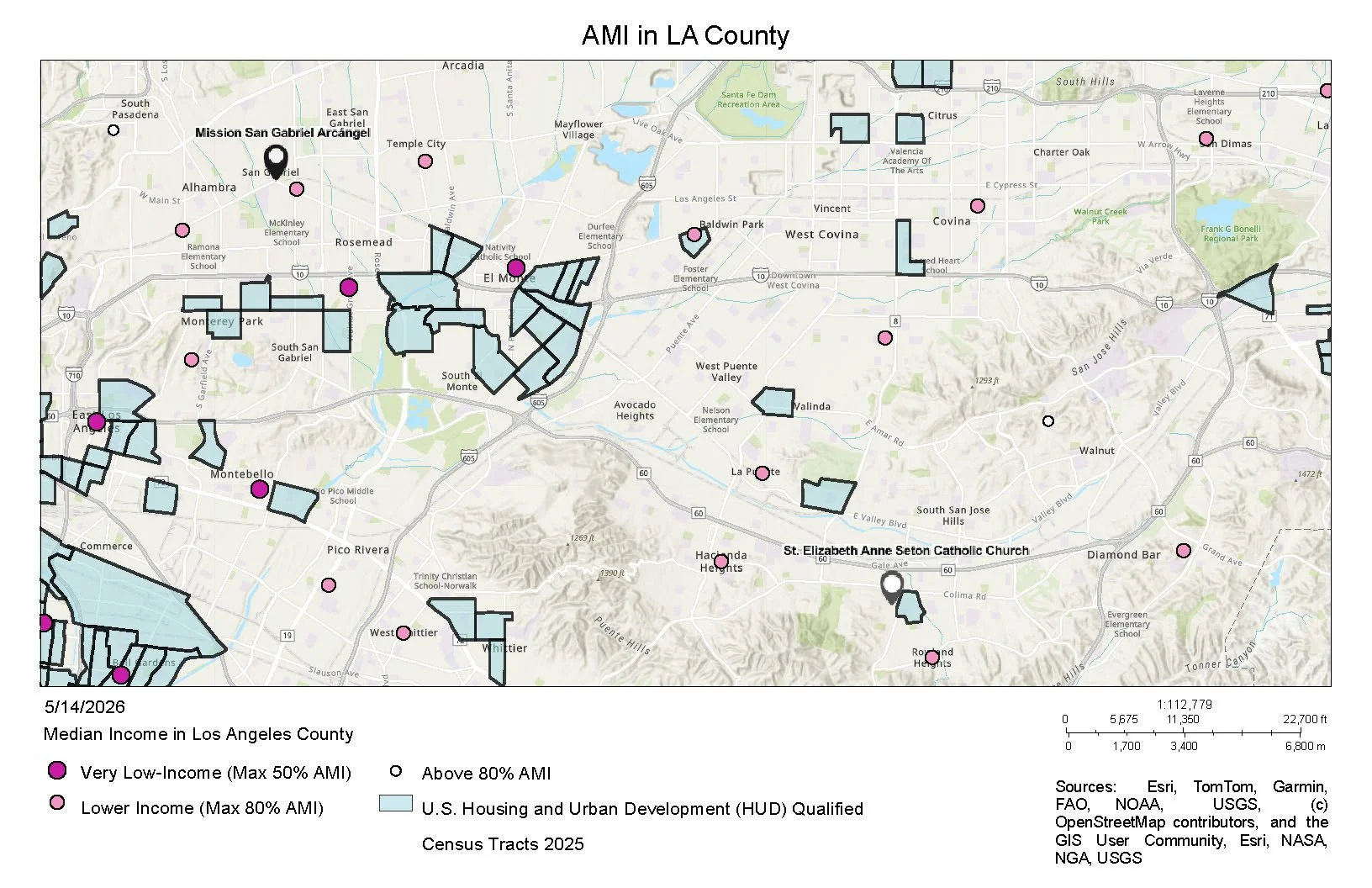
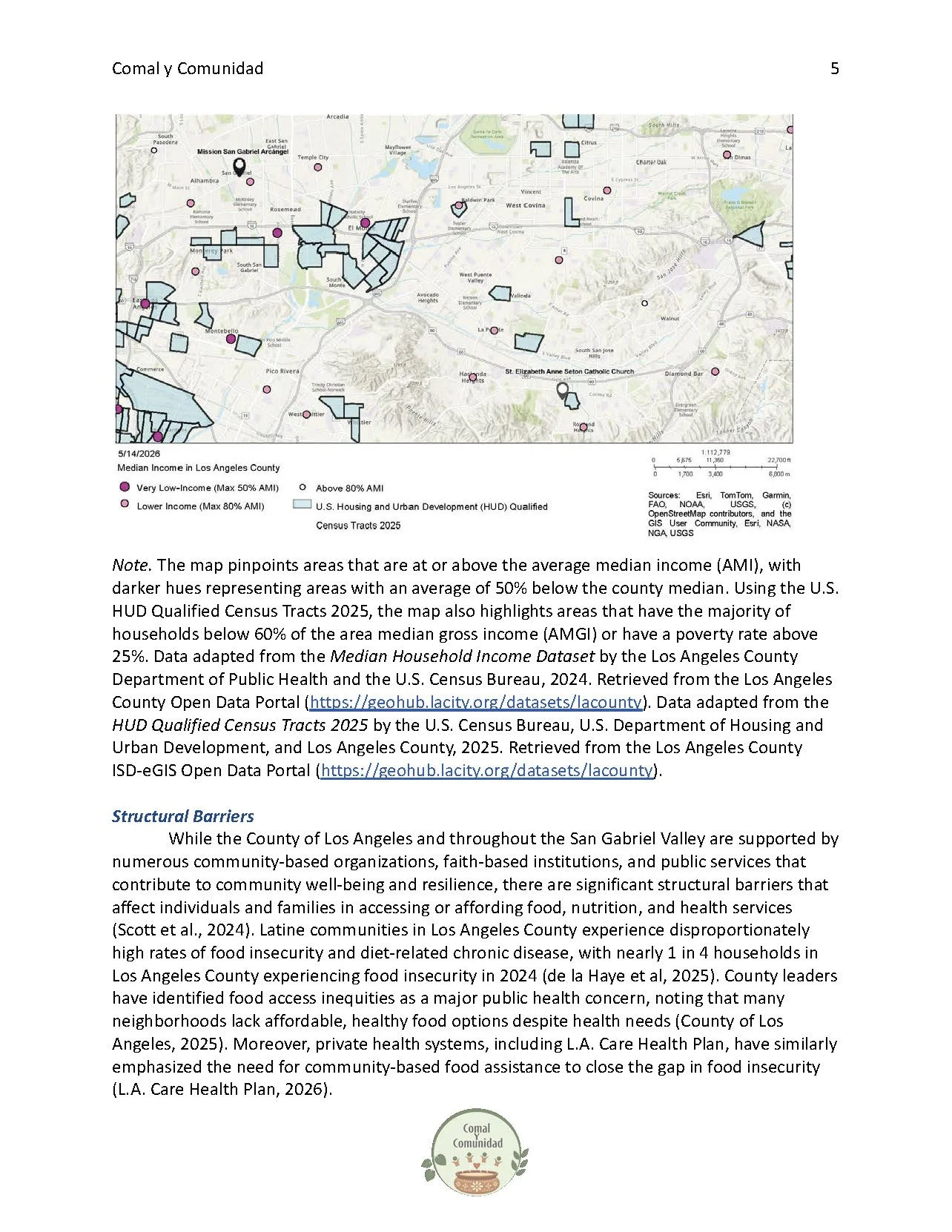
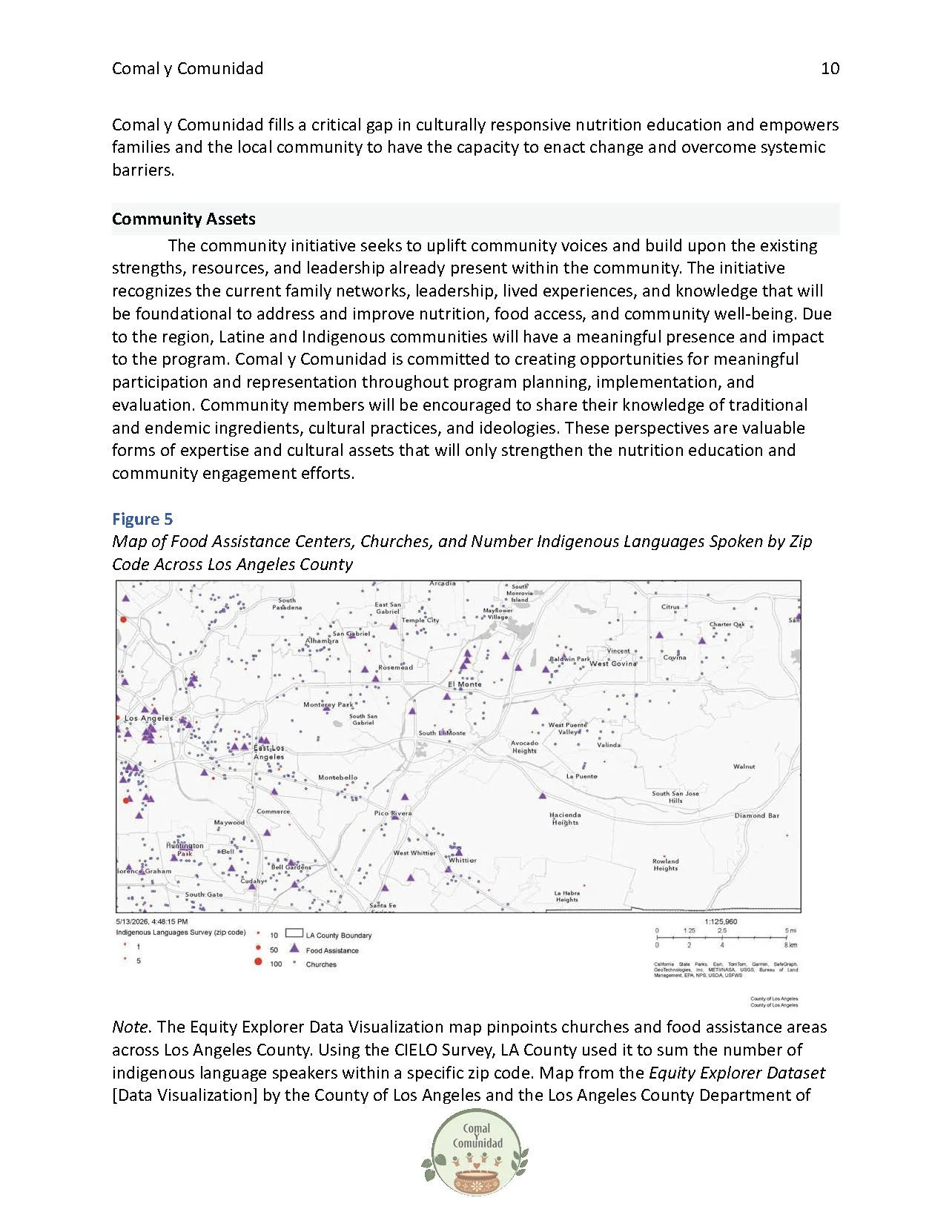
The map pinpoints areas that are at or above the average median income (AMI), with darker hues representing areas with an average of 50% below the county median. Using the U.S. HUD Qualified Census Tracts 2025, the map also highlights areas that have the majority of households below 60% of the area median gross income (AMGI) or have a poverty rate above 25%. Data adapted from the Median Household Income Dataset by the Los Angeles County Department of Public Health and the U.S. Census Bureau, 2024. Retrieved from the Los Angeles County Open Data Portal (https://geohub.lacity.org/datasets/lacounty). Data adapted from the HUD Qualified Census Tracts 2025 by the U.S. Census Bureau, U.S. Department of Housing and Urban Development, and Los Angeles County, 2025. Retrieved from the Los Angeles County ISD-eGIS Open Data Portal (https://geohub.lacity.org/datasets/lacounty).
Program Response
Based on the identified needs, the proposed program was designed to provide practical, community-centered nutrition education through trusted community settings.
Program Components
Nutrition education workshops
Healthy cooking demonstrations
Community resource navigation
Culturally relevant educational materials
Interactive learning activities
Family-centered programming
Theoretical Framework
The program was guided by established public health and behavior change frameworks to support sustainable lifestyle changes.
Frameworks Applied
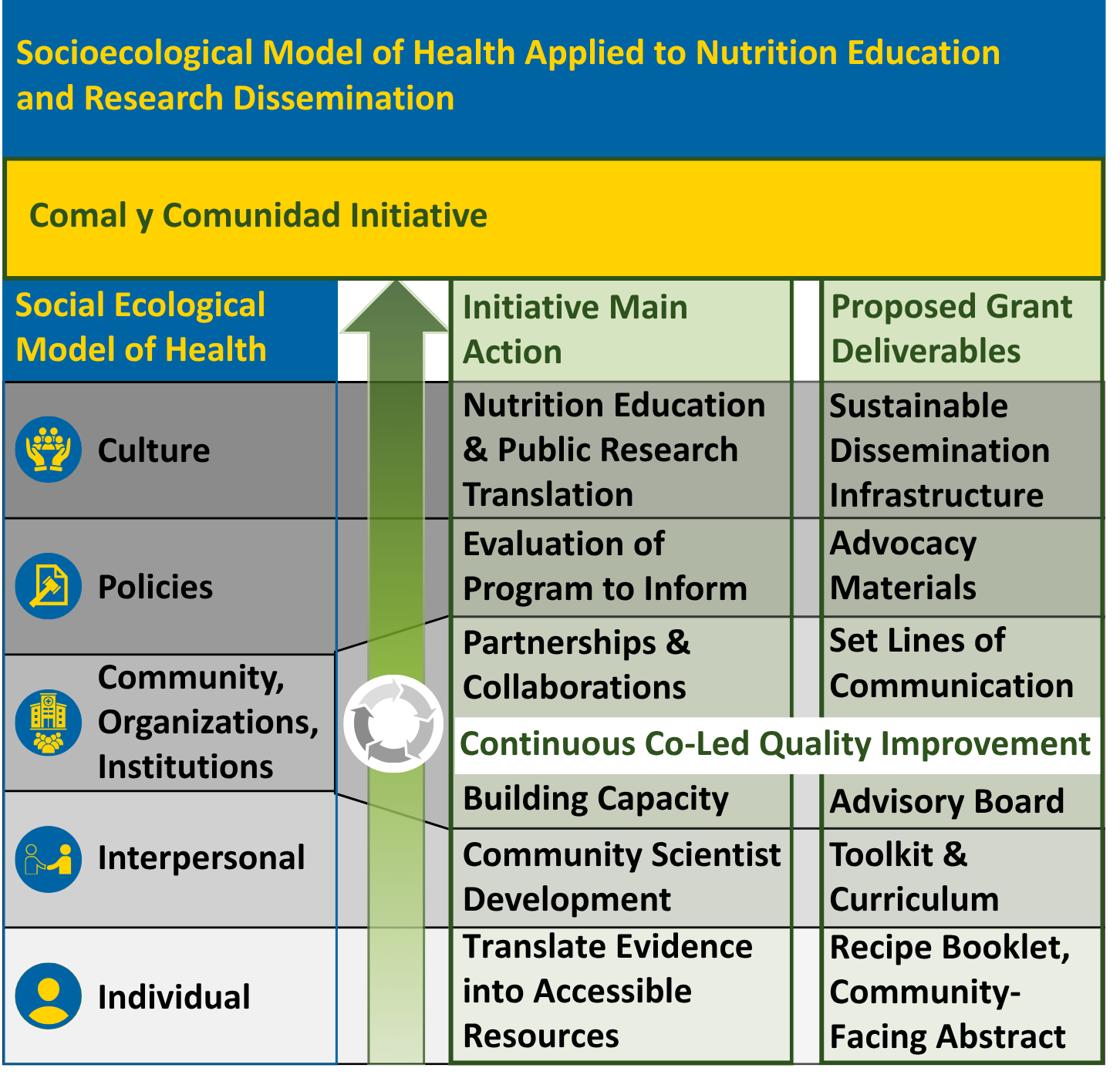
Socioecological Model of Health Applied to Nutrition Education and Research Dissemination
Applying a systems level approach to program planning
Social Ecological Model
Community-Based Participatory Principles
Health Literacy Principles
Adult Learning Theory
Dissemination & Implementation Science
Program Overview
Community Nutrition & Education
Goal #1. Provide culturally relevant education and resources that reflect Latine traditions, dietary habits, and language preferences to ensure accessibility and relatability.
➔ Aim #1. Increase nutrition knowledge and food-literacy skills to improve dietary behaviors and health outcomes
Community Leadership & Community Scientist Development
Goal #2. Provide a space for leadership and community scientist development through the Youth Leadership Cohort and Parish Advisory Group to ensure sustainability and building community capacity.
➔ Aim #2. Strengthen community leadership and community scientist development
Cultural Food Preservation & Community Knowledge
Goal #3. Explore how traditional food ways can support nutrition, chronic disease prevention, cultural identity, and community well-being.
➔ Aim #3. Prioritize preserving cultural food knowledge and incorporating into health education
Community-Facing Research Translation
Goal #4. Strengthen community access and engagement with evidence-based nutrition information through the development of community-facing dissemination products, while creating opportunities for community members to participate in the interpretation, creation, and dissemination processes.
➔ Aim #4. Improve community access to evidence-based nutrition information
Institutional Change
Goal #5. Strengthen community access and engagement with evidence-based nutrition information through the development of community-facing dissemination products, while creating opportunities for community members to participate in the interpretation, creation, and dissemination processes.
➔ Aim #5. Build community capacity towards institutional change
